 Playcard games
Tute strategy
How to play Tute well once you know the rules: the decisions that matter, and the habits that win.
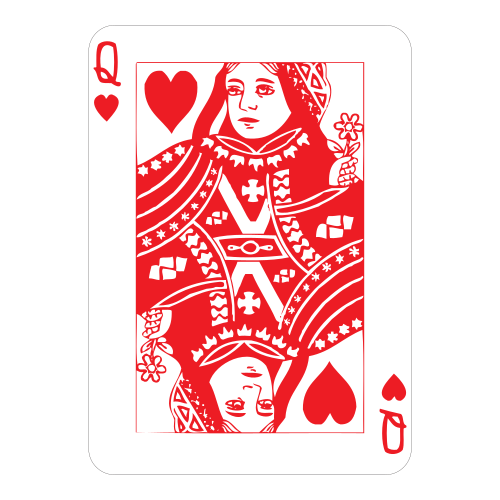
Keep the kings and horses
Every king and every horse is half of a cante, and four of either is a tute. A lone king is worth only four points in a trick, but it may be worth twenty or forty later, or the whole deal.
So throw away jacks and small cards in the loose half, and keep the court cards unless a trick with an ace or three in it is there to be taken.
Win a trick to be able to declare
A cante can only be declared on your lead after winning a trick. Holding king and horse of trumps is forty points waiting, but only if you get the lead.
When you hold a pair, it is worth spending a small trump to win a cheap trick just to be on lead. Declaring the cante is often worth more than anything in the trick.
Use the seven of trumps
If the turned card is an ace, three or court card of trumps, the seven swaps it into your hand. Do it on your first lead, before the other player can.
If the turned card is smaller than the seven, keep the seven. Swapping gives your opponent nothing, but it gives you nothing either.
Count trumps before the strict half
Once the stock runs out you must follow suit, beat the card if you can, and trump if you cannot. The player with more trumps decides who wins the last tricks.
Count the ten trumps as they fall and as they are drawn. With the turned card and your own hand you know most of them; the rest are in your opponent's hand or still in the stock.
Play for the last trick
The last trick is worth ten points on its own — las diez de últimas. Keep a high trump for the end if you can; in the strict half it will win the last trick for you.
In a close deal those ten points decide it. Count what each side has taken, and from the middle of the strict half play towards the last trick rather than the next one.