 Playcard games
Pai gow poker rules
Split seven cards into two hands and beat the dealer with both.
- 2-6 players
- Standard deck
Seven cards, split into two poker hands, and you must win both to win the bet. The deck includes one joker.
The table
Up to six players each play their own hand against the dealer, and seven hands of seven cards are always dealt. The deck is the 52-card deck plus the joker, shuffled every round.
The joker
It is not fully wild. It completes a straight or a flush, and otherwise counts as an ace.
That makes five aces possible, and five aces are the best hand in the game.
Setting your hand
Divide your seven cards into a five-card high hand and a two-card low hand. The one rule that matters: the five-card hand must rank higher than the two-card hand. Setting them the other way round is a foul, and a fouled hand can be declared lost.
The two-card hand can only ever be a pair or high card, so the real question is which pair to send back and which to keep in front.
The hands
The five-card hand ranks as in ordinary poker. The two-card hand is a pair or two single cards: a pair of aces is the best two-card hand, and between two unpaired hands the higher top card wins.
An example
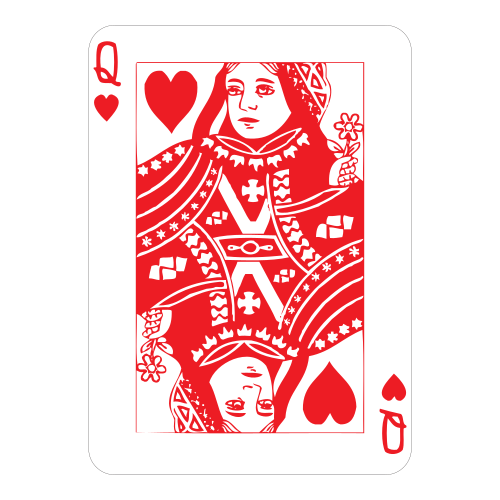
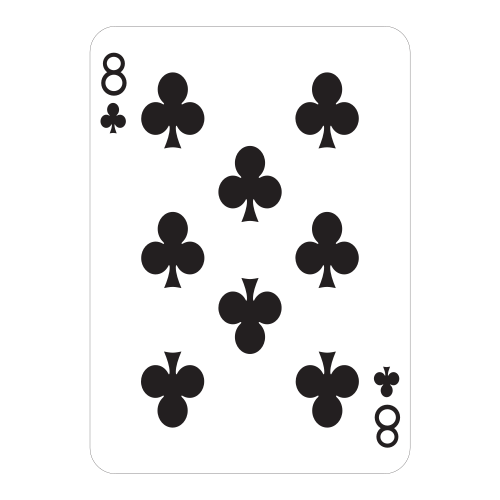
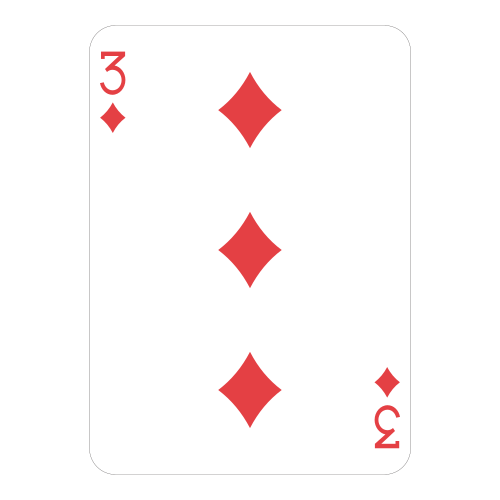
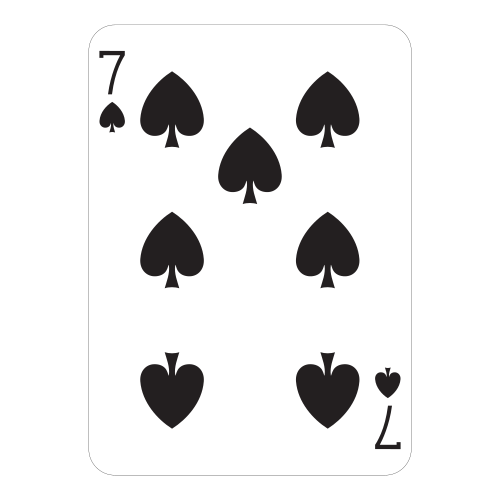
You hold Q♠ Q♥ A♦ 9♣ 7♠ 5♥ 3♦. Keep the pair of queens in front with the seven, five and three, and put the ace and nine behind. The pair of queens outranks ace high, so the hand is legal, and the ace gives your low hand its best chance.
Settling
Your high hand is compared with the dealer's high hand, and your low with their low.
Win both and you are paid, usually with a commission taken. Lose both and the bet is lost. Win one and lose one and it is a push — the bet comes back.
The commission is usually five per cent of the winnings, so a winning bet of 100 is paid 95.
The dealer wins exact ties, which is where the house edge lives.
Because pushes are so common the bankroll lasts a long time, and the game is one of the slowest in a casino. The house way — the fixed method the dealer must use to set their own hand — is printed and available on request, and copying it is a perfectly good strategy.
Found a mistake, or something unclear, in these rules? Tell us