 Playcard games
Chinchón rules
Seven cards, one draw, and a cut that ends the round at once.
- 2-8 players
- Standard deck
The Spanish and Argentine rummy, played with seven cards and settled by cutting. Fast, and unforgiving of a bad hold.
Players
Two to six, each for themselves.
The deck
40 or 48 Spanish-suited cards, or a 52-card deck with two jokers. Seven cards each.
The rest of the deck is the stock, with one card turned up beside it to start the discard pile.
The melds
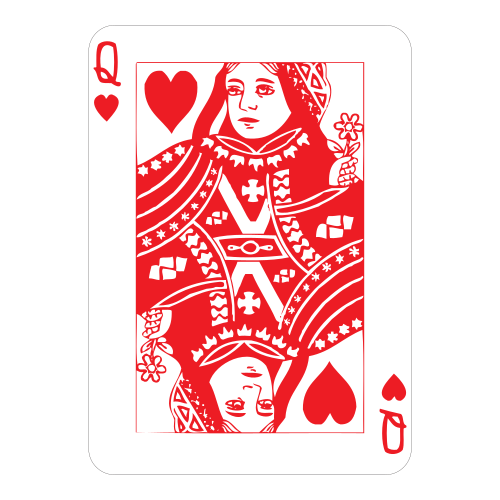
Sets of three or four of the same rank, and runs of three or more in the same suit. Seven cards means either two melds of three with one card over, or a meld of three and a meld of four with nothing over.
Jokers are wild.
Your turn
Draw the top of the stock or the top discard, then discard one card. Nothing is laid down during play.
Cutting
When the cards left over from your melds total 5 points or less, you may cut: lay your hand face up and discard your last card. Everyone else shows their hand and scores their unmelded cards.
Card values
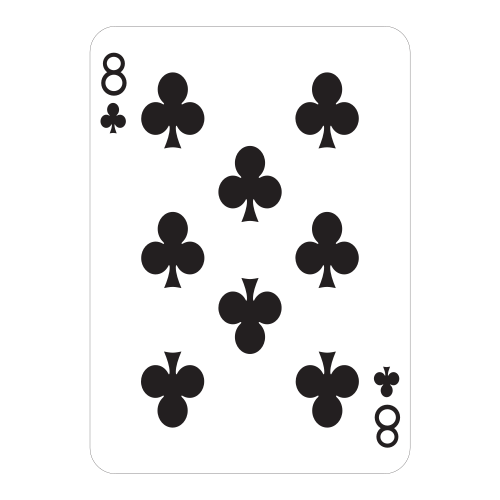
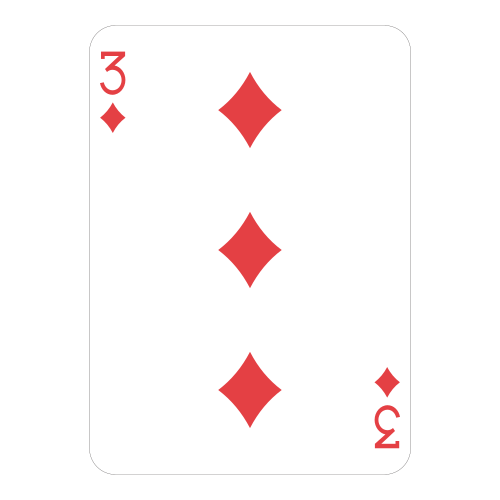
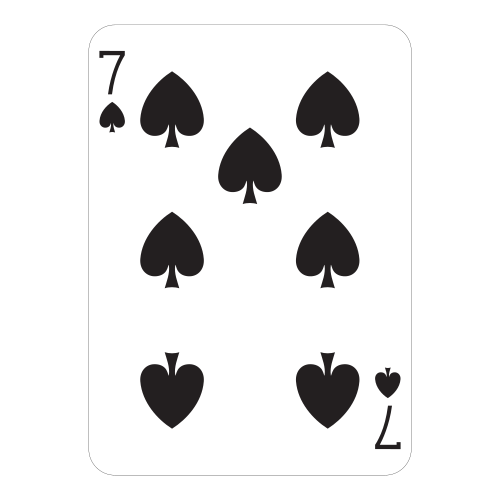
Court cards 10, aces 1, number cards face value, joker 25 when left in hand.
Chinchón
Seven cards in a single run of the same suit. Lay it down and you win the entire game outright, regardless of the score — which is why players chase it when they are already losing.
Most tables do not allow a joker to stand in for one of the seven: a chinchón has to be the real thing.
An example
You hold the five, six and seven of one suit, three kings, and a lone eight. The run and the set are both melds and the eight is 8 points left over, so you may not cut. Draw a card that turns the eight into a fourth king or extends the run, and you can.
Scoring
Points are penalties and accumulate. When a player passes 100 they are eliminated, but may buy back in once, re-entering at the current highest score.
The last player left wins. A player who cuts with zero left over deducts 10 from their own total.
Some tables play to 50 or 70 instead, and some play the elimination without any buying back. Agree which before the first deal.
Playing well
The discard pile is the whole of the information in this game. Take from it only when the card finishes a meld, because every card you take tells the table what you are building — and the player after you is the one who decides what you see next.
Found a mistake, or something unclear, in these rules? Tell us